
Sculpture in the Digital Age: The Rise of 3D Printing
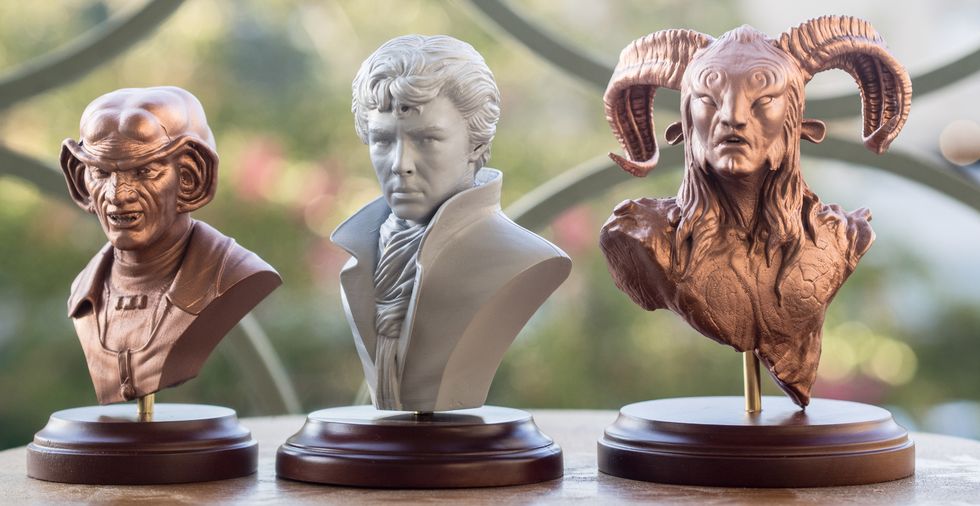
In recent years, the art world has witnessed a revolutionary shift with the introduction of sculpture and 3D printing technology. This fusion of creativity and cutting-edge technology has opened up new possibilities for artists, reshaping how sculptures are conceptualized, designed, and produced. Traditional sculpture techniques, rooted in hands-on methods such as carving, molding, and casting, are now being complemented—and in some cases, replaced—by digital tools and 3D printing, offering artists a dynamic and innovative way to push the boundaries of sculpture.
Digital Sculpting with Modern Tools
One of the most exciting developments in contemporary sculpture is digital sculpting with modern tools. Artists can now use sophisticated software programs to create intricate, complex designs that would be nearly impossible with traditional materials. Programs such as ZBrush and Blender allow sculptors to manipulate virtual clay, mold it, smooth it, and refine it in ways that mirror the physical sculpting process. These tools give artists unparalleled freedom, enabling them to experiment with shapes, textures, and forms that would traditionally require painstaking hours of physical labor.
The appeal of digital sculpting lies in its flexibility. Unlike physical materials, which are often limiting due to their texture or weight, digital sculpting allows for the creation of complex forms that can be easily adjusted, refined, or even discarded. This digital approach is ideal for artists who are experimenting with futuristic concepts, abstract designs, or even replicating organic shapes found in nature. Whether it’s a hyper-realistic human figure or a fantastical creature, digital sculpting with modern tools offers a whole new realm of possibilities for artistic expression.
Moreover, digital tools allow sculptors to visualize their work in three dimensions before they even begin the production process. This eliminates much of the guesswork associated with traditional sculpting methods, where the artist is constantly working from a two-dimensional model and imagining how the piece will come together. With 3D modeling, artists can see their creation from every angle and make adjustments in real-time, making the sculpting process more intuitive and streamlined.
3D Printing’s Impact on Sculpture
The introduction of 3D printing has had a profound effect on the art of sculpture. 3D printing’s impact on sculpture cannot be overstated; it has given artists the ability to produce highly detailed works quickly and efficiently. Once a digital model is created, the design can be sent directly to a 3D printer, which uses additive manufacturing techniques to build the sculpture layer by layer from a variety of materials, including plastics, resins, metals, and even concrete.
This method not only accelerates the creation process but also allows for an unprecedented level of precision and accuracy. Artists can now create sculptures with intricate textures, fine details, and complex geometries that were once difficult, if not impossible, to achieve with traditional methods. Furthermore, 3D printing can handle multiple layers, curves, and complex textures without the constraints of physical materials like clay or stone. This has led to the creation of some incredibly intricate sculptures, from biomorphic designs to modernist masterpieces, pushing the boundaries of what sculpture can be.
The impact of 3D printing also extends beyond the creation of art; it enables the rapid prototyping of sculptures and designs. Artists can test and modify their work digitally before moving to the final print stage, drastically reducing the trial-and-error phase of traditional sculpture. This ability to create, modify, and perfect a design in virtual space before committing it to a physical form has streamlined the creative process and opened new doors for artistic experimentation.
The Rise of Digital Sculpture Art
As the rise of digital sculpture art continues to gain momentum, the landscape of contemporary sculpture is rapidly evolving. Digital sculptors are now able to merge traditional sculpture with new media, creating hybrid works that incorporate everything from video projections to interactive elements. These digital sculptures can be projected onto surfaces, displayed in virtual reality, or even enhanced with augmented reality, allowing viewers to engage with the artwork in ways that were previously unimaginable.
One of the most significant shifts that digital sculpture art brings is its accessibility. With digital tools and 3D printers becoming more affordable and widespread, artists no longer need expensive materials or large studios to create monumental works of art. A small-scale piece can be digitally sculpted on a computer, printed, and reproduced with little expense, breaking down barriers to entry for emerging artists around the world.
This democratization of sculpture means that artists from diverse backgrounds, locations, and disciplines are able to explore new forms of expression. Whether it’s a sculptor in a remote corner of the globe or a digital artist experimenting with new media, the rise of digital sculpture art encourages a cross-pollination of ideas that is driving contemporary art in exciting new directions.
One fascinating aspect of digital sculpture is its adaptability in collaborative efforts. Artists can easily collaborate with engineers, architects, and even AI programs to create large-scale installations that would be too complex or costly to create through traditional methods. This has led to the rise of innovative public art projects, where digital sculpture and 3D printing intersect with architecture to create immersive, interactive spaces.