
Art Cartoon Techniques Every Artist Should Master
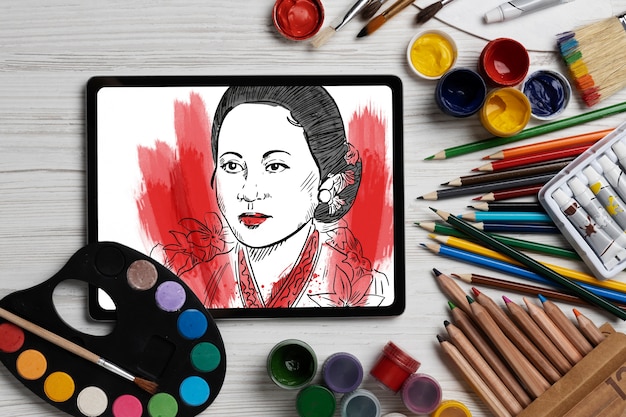
Cartoon art is an expressive and dynamic form of creative storytelling, and for artists, mastering certain techniques is essential for bringing their creations to life. Whether you are drawing for fun or pursuing a professional career in animation, essential cartoon art skills are the foundation of any successful cartoon. These skills not only help artists develop their unique style but also enable them to convey emotions, actions, and stories in a visually compelling way.
From creating the perfect character design to understanding the nuances of movement and expression, here are some must-know cartoon drawing methods that every artist should hone.
1. Mastering the Basics of Character Design
Character design is the cornerstone of any cartoon. The way a character looks and behaves sets the tone for the entire animation or comic. Every artist must understand the importance of creating unique, memorable characters that can evoke specific emotions or actions. This involves more than just drawing; it’s about creating a personality through visual cues. From the shape of a character’s eyes to the posture of their body, every detail matters.
When starting, focus on the essential cartoon art skills such as simplifying forms and exaggerating certain features for a more expressive look. For example, large eyes can evoke innocence or wonder, while sharp angles can imply aggression or tension. Mastering the subtleties of character design will allow artists to craft a visual identity that resonates with audiences.
2. Understanding Anatomy and Proportions
Even in cartoon art, mastering animation techniques means knowing how to depict the human (or animal) form, even if it’s exaggerated. Understanding basic anatomy and proportions is essential for creating characters that feel believable, even in a fantastical world. While cartoon characters are often stylized, they still follow certain principles of anatomy that govern how the body moves and functions.
Aspiring cartoon artists should study the human figure and learn how to manipulate its proportions. For instance, characters with large heads and smaller bodies often feel more childlike or endearing, while characters with elongated limbs and dramatic poses may seem more heroic or comic. Mastering these proportions is crucial for conveying the desired tone and emotion.
3. Mastering Expression and Emotion
A key part of any must-know cartoon drawing methods involves the ability to draw and convey emotions. Cartoons rely heavily on facial expressions to communicate the inner thoughts and feelings of characters, often without a single word being spoken. A simple change in an eyebrow, mouth, or posture can communicate an entire range of emotions.
To truly master this technique, artists need to practice drawing the core emotions—happiness, sadness, anger, surprise, and fear—and experiment with how those emotions are expressed in various cartoon styles. Playing with exaggeration can take these expressions even further. For example, in classic animation, a character’s eyes might bulge out when they’re surprised, or steam could shoot out of their ears when they’re angry.
Understanding how emotions can be translated into exaggerated, yet believable expressions is key for any artist working in cartoons.
4. The Power of Linework and Shape
Cartoon art is defined by its bold, clear lines and simple shapes. Strong, clean linework is vital in creating contrast and making characters stand out. Mastering animation techniques includes learning how to use lines not only for form but also for movement and rhythm. The way a line flows can define the action a character is performing, giving the impression of speed, weight, or direction.
Shape is just as important—whether it’s the round, soft edges that evoke a friendly character or sharp, angular lines that make a character appear menacing or intense. Learning how to manipulate these elements is crucial for artists, as shapes and lines are the building blocks of character design and animation.
5. The Art of Movement and Action
Animation is built on the principle of movement. For cartoon artists, mastering animation techniques doesn’t just mean knowing how to draw a character in one position—it’s about creating fluid motion. The ability to show how characters move through space is an art form that requires an understanding of timing, weight, and gesture.
To develop a natural sense of motion, artists can study the principles of animation such as anticipation (the buildup to an action), follow-through (how things continue after an action), and overlapping action (the secondary movements that happen in tandem with the main action). These principles help make animation feel more alive and dynamic. In static cartoons, showing how characters are poised for action or ready to react adds depth and excitement to a scene.
6. Mastering Color and Lighting
Color plays an essential role in setting the mood and atmosphere of any cartoon. Colors can communicate emotions, symbolize certain themes, or simply bring a scene to life. Skills for aspiring artists should include learning the basics of color theory—knowing which colors work well together, how to use warm and cool colors to evoke specific feelings, and how to use contrast to create visual interest.
Lighting is equally important, especially in animated cartoons where the light source can change the mood of a scene or highlight important details. For example, soft lighting can create a cozy, peaceful feeling, while stark shadows might indicate tension or danger. Combining color and lighting techniques allows cartoon artists to add nuance and realism to their work, even in the most stylized environments.
7. Developing Storytelling Through Art
At its core, cartoons are about storytelling, and every artist must understand how to convey a narrative visually. From setting the scene to pacing the action, essential cartoon art skills include knowing how to tell a story through dynamic compositions and engaging visuals.
Each frame should tell something about the character or the world they inhabit. For example, a character’s pose, expression, and environment all contribute to the storytelling. How the background is drawn, how many details are included, and how colors are used all serve the purpose of telling the story. Artists need to think about how each moment fits into the larger narrative and how they can build tension or excitement with every scene.
Mastering these must-know cartoon drawing methods will not only help artists create dynamic, engaging characters and stories but will also elevate their overall skill in animation and design. Whether you are sketching characters for a comic or animating a full-length feature, understanding the basics of character design, movement, emotion, and storytelling are essential tools every artist must carry with them. By continually practicing these techniques, artists can develop their unique style and add their voice to the ever-growing world of cartoon art.